

NWSSRICDC Approves Five Training Manuals to Enhance Inclusive Sanitation Nationwide
Training Manuals
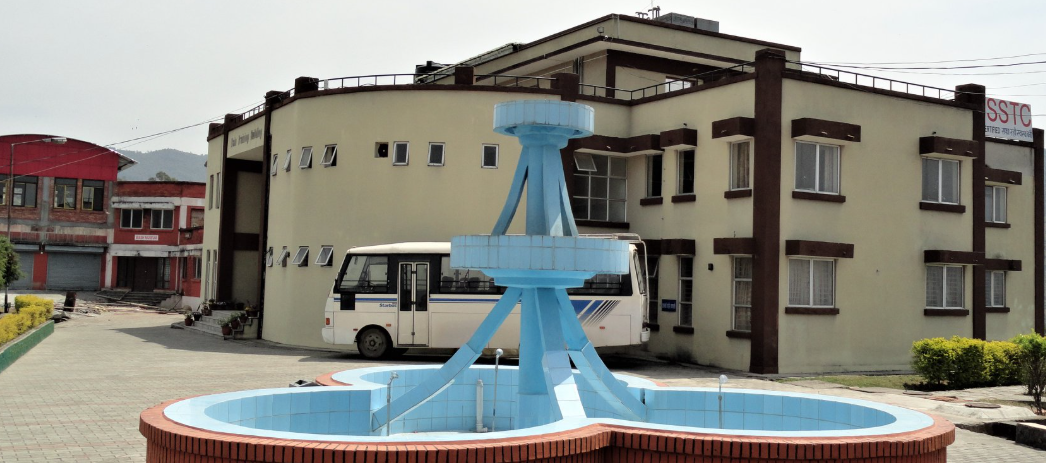
Nagarkot: The Government of Nepal’s National Water Supply and Sanitation, Research, Innovation and Capacity Development Center under the Ministry of Water Supply has approved five training packages related to Citywide Inclusive Sanitation (CWIS).
According to the Center’s Executive Director, Engineer Ram Kumar Shrestha, the training materials prepared in collaboration with the Environment and Public Health Organization (ENPHO) have been officially endorsed.
Approved Training Packages:
√ Design of Fecal Sludge Treatment Plant (Training Manual)
√ Operation and Maintenance of Sludge Treatment Plant (Training Manual)
√ Occupational Health and Safety (Training Manual)
√ Containment Improvement (Training Manual)
√ Gender Equality and Social Inclusion (GESI) in Sanitation (Training Manual)
These training packages can bring significant improvements to inclusive sanitation services at the municipal level. Executive Director Shrestha stated that they will greatly support maintaining uniformity in the training provided by various organizations.
“The training packages approved by the Center act as standards. Based on these, all institutions will conduct trainings using the same materials and guidelines,” he said. “Using uniform structures, technologies, definitions, and procedures helps maintain consistency in messages, skills, and learning outcomes.”
It is expected that the standardized packages will minimize variations in facilitation methods used by trainers, thereby ensuring quality. Shrestha expressed confidence that the packages will help make the implementation of CWIS from the local to the federal level more effective and results-oriented.
ENPHO Program Manager Ash Kumar Khaitu stated that the trainings will strengthen capacity development, and that skills ranging from the design to the maintenance of fecal sludge treatment plants will contribute to effective and safe human waste management. He added that the Occupational Health and Safety training will enhance workplace health and safety for sanitation workers.
Similarly, the Containment Improvement and GESI-related training packages will support improvements in toilet structures and promote gender equality and social inclusion. These, he noted, will collectively contribute to developing clean, sustainable, and equitable sanitation systems for all.
Earlier, the National Water Supply and Sanitation Research, Innovation and Capacity Development Center (NWSSRICDC) and the Environment and Public Health Organization (ENPHO) had signed an Agreement of Cooperation (AoC) to collaborate on capacity development, knowledge management, and technology exchange in the Water, Sanitation and Hygiene (WASH) sector.